
Explore trusted rehab programs near you and take the first step toward recovery for yourself or someone you love.
Discover exceptional available treatment options in Delaware
How Much Does Addiction Treatment in Delaware Cost?
Treatment costs can vary widely depending on the type of program you choose. According to data from the National Center for Drug Abuse Statistics, Delaware has the fourth most affordable non-hospital residential rehab services in the country. The state also shares similar outpatient treatment costs with South Carolina.

Outpatient Treatment
Outpatient treatment is a flexible option for people who want to receive treatment while continuing to live at home. In Delaware, the average cost of outpatient addiction treatment is about $1,707. This level of care often includes therapy, education, and support sessions scheduled throughout the week.
Inpatient Treatment
Inpatient or Residential rehab provides 24/7 care in a structured, therapeutic setting. These programs are ideal for individuals who need intensive support or a stable environment while beginning recovery. In Delaware, residential treatment typically averages around $53,690.
*All cost estimates are based on information from the National Center for Drug Abuse Statistics (NCDAS).
Drug Rehab Facilities in Delaware
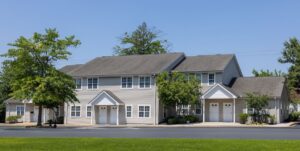


Wilmington, Delaware 19805
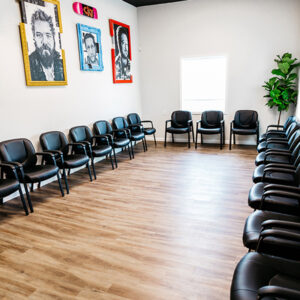
Essentials Recovery Delaware
- Private Rooms Available
- Private Bathrooms
- Gourmet Meals
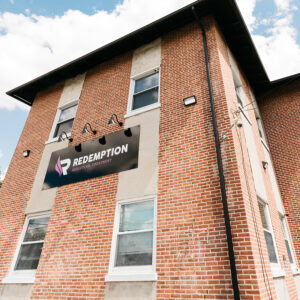

Wilmington, Delaware 19808
Redemption Addiction Treatment Center
- Gym / Fitness Center
- Private Bathrooms
- On-site Medical Detox


Georgetown, Delaware 19947
SUN Behavioral Health Delaware
- Private Rooms Available
- Private Bathrooms
- Gourmet Meals
Paying for Rehab in Delaware
If you or someone you care about is looking into addiction treatment in Delaware, figuring out how to cover the cost can feel overwhelming. The good news is that there are several ways to pay for rehab, and many options are designed to make treatment more accessible. Here are some of the most common ways people in Delaware manage the cost of addiction treatment:
- Private Health Insurance: Most private insurance plans help cover the cost of rehab. Depending on your plan, outpatient services, inpatient treatment, or medication-assisted treatment may be partially or fully covered.
- Medicaid (Delaware Health Options): Delaware Medicaid provides coverage for many addiction treatment services for eligible residents. This can include detox, counseling, and residential treatment.
- Medicare: For individuals age 65 and older or those with certain disabilities, Medicare may cover addiction treatment services, including hospital-based care and outpatient therapy.
- State-Funded Treatment Programs: Delaware offers publicly funded rehab programs for residents who qualify based on income or need. These programs may offer free or low-cost treatment options.
- Sliding Scale Payment Plans: Many treatment centers provide sliding scale fees, which means the cost is adjusted based on your income and financial situation.
- Financing and Payment Plans: Some rehab facilities offer in-house financing or monthly payment plans to make costs more manageable over time.
- Employee Assistance Programs (EAPs): If your employer provides an EAP, you may be able to access short-term counseling, referrals, or help covering part of the cost of treatment.
- Scholarships or Grants for Treatment: Certain nonprofits and treatment organizations offer scholarships or grants to help individuals afford rehab when other financial options aren’t available.
Delaware’s Fight Against Substance Use Disorders
Opioids remain the most serious drug-related threat in Delaware. Federal, state, and local agencies have consistently reported rising availability and misuse of heroin, fentanyl, and fentanyl-related substances. These highly potent drugs have played a major role in the state’s overdose crisis.
Delaware has seen a dramatic rise in overdose deaths over the years. The age-adjusted overdose mortality rate jumped from 6.7 per 100,000 to 48.4 per 100,000 by 2019, giving the state the second-highest overdose death rate in the nation at that time.
In response, Delaware has made significant efforts to combat the crisis. The state launched the Prescription Monitoring Program in 2012 and later expanded access to naloxone, introduced the “Help is Here” initiative, passed important legislation, and released public data through tools such as the OpiRescue app. These combined efforts aim to save lives and provide people with the resources they need to seek help.
Encouragingly, Delaware saw a 36 percent decrease in overdose deaths in 2024. State data show 338 confirmed overdose deaths in 2024, compared to 527 in 2023 and 537 in 2022. The Division of Forensic Sciences continues to publish quarterly reports to monitor trends and promote transparency.
Addictions Treated in Delaware State
Rehab centers in Delaware provide treatment and support for a wide range of substance use disorders, including:
If you or a loved one is struggling with substance use, know that recovery is possible. With the right care and support, individuals can make lasting changes and build a healthier, more hopeful future.
Find Addiction Rehab Near You Today
Starting the journey to recovery may feel overwhelming, but you don’t have to do it alone. With professional help and the right resources, it’s possible to overcome addiction and move forward with confidence.
At DrugHelp.com, we’re here to connect you with trusted rehab centers throughout Washington that match your needs. Reach out today and take your first step toward healing, recovery, and long-term freedom.