
Explore trusted rehab programs near you and take the first step toward recovery for yourself or someone you love.
Discover exceptional rehab centers conveniently serving Georgia
How Much Does Addiction Treatment in Georgia Cost?
Georgia is the ninth least expensive state for residential rehabilitation. The cost of addiction treatment in Georgia varies widely based on several factors, including the type of treatment, the facility’s amenities, and the individual’s insurance coverage.
Understanding these costs is crucial for individuals seeking help and for families supporting loved ones through recovery.

Outpatient Treatment
Outpatient treatment allow individuals to receive treatment while maintaining their daily responsibilities. Those seeking outpatient drug help in Georgia can expect to pay about $1,710.

Inpatient Treatment
Inpatient or Residential rehab provide 24/7 care and supervision. The cost for residential rehab in Georgia could cost upwards of $55,475.
*All cost estimates are based on information from the National Center for Drug Abuse Statistics (NCDAS).
Drug Rehab Facilities in Georgia

Riverdale, Georgia 30274
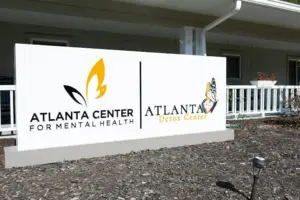
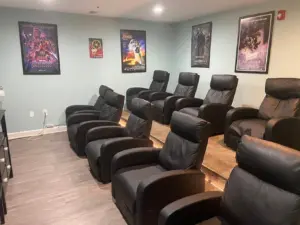
Atlanta Detox Center

- Private Rooms Available
- Private Bathrooms
- Gourmet Meals
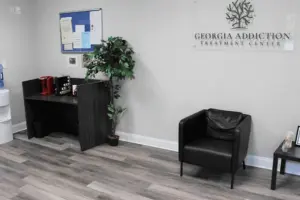
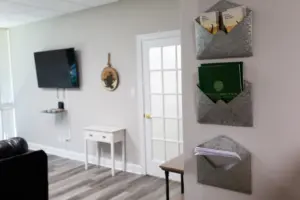
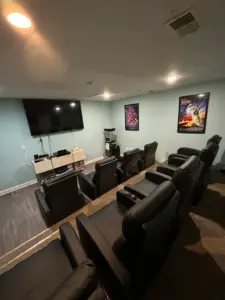
Peachtree City, Georgia 30269
Georgia Addiction Treatment Center
- Private Rooms Available
- Private Bathrooms
- Gourmet Meals



Atlanta, Georgia 30339
Georgia Sky Outpatient Detox
- Private Rooms Available
- Private Bathrooms
- Gourmet Meals
Paying for Rehab in Georgia
Georgia residents have access to various insurance and assistance programs to help offset the cost of treatment:
- Medicaid and Medicare: These government-funded programs cover a significant portion of treatment costs for eligible individuals. Medicaid charges minimal copays, and certain populations, such as those under 21 or pregnant women, may have waived copays.
- Private Insurance: Many facilities accept private health insurance, which can significantly reduce out-of-pocket expenses.
- Sliding Fee Scales: Approximately 49% of treatment facilities in Georgia offer services on a sliding fee scale, adjusting costs based on an individual’s income.
- Access to Recovery (ATR) Vouchers: The ATR program provides vouchers to eligible individuals, offering greater flexibility in choosing treatment providers and services.
Georgia’s Fight Against Substance Use Disorders
The state of Georgia strives to protect and equip its citizens with addiction rehabilitation resources. Georgia Overdose Prevention works to educate individuals about any new laws regarding drug overdoses in the area. This volunteer organization distributes overdose rescue kits and supports those who have been impacted by opioid overdose incidents.
The Georgia Department of Behavioral Health and Developmental Disabilities (DBHDD) oversees opioid addiction treatment programs throughout the state of Georgia. This department provides clinical guidance and establishes protocols, ensuring evidence-based substance abuse treatment is available.
In 2017, the DBHDD received a two-year grant from the Substance Abuse Mental Health Service Administration (SAMHSA). Within the first year, the department was able to provide naloxone administration training for 312 first responders. Citizens of Georgia who were underinsured and uninsured were able to receive opioid use disorder treatment.
The DBHDD also provides resources through the DBHDD Office of Addictive Diseases (DAD) and the DUI Intervention Program (DUIIP). These programs work to promote safety and facilitate public health in the state of Georgia.
Georgia also works to provide care for specific demographics. The Women’s Treatment and Recovery Services (WTRS) work to address the recovery needs of women who are pregnant, have Child Protective Services (CPS) involved, are at a high risk for relapse, have mental health challenges, or have been involved in criminal activity.
The department also works with Caring Works, Inc. to provide treatment services for members of the Deaf and Hard of Hearing community. The program employs clinical staff who are fluent in American Sign Language (ASL).
Addictions Treated in Georgia State
Rehab centers in Georgia provide treatment and support for a wide range of substance use disorders, including:
If you or a loved one is struggling with substance use, know that recovery is possible. With the right care and support, individuals can make lasting changes and build a healthier, more hopeful future.
Find Addiction Rehab Near You Today
Starting the journey to recovery may feel overwhelming, but you don’t have to do it alone. With professional help and the right resources, it’s possible to overcome addiction and move forward with confidence.
At DrugHelp.com, we’re here to connect you with trusted rehab centers throughout Washington that match your needs. Reach out today and take your first step toward healing, recovery, and long-term freedom.