Home › Drug Rehab Facilities › Minnesota

Find Help for Alcohol & Drug Addiction in Minnesota

Substance use disorders continue to impact individuals and families across the state, and many people feel uncertain about where to begin when looking for help. The good news is that Minnesota offers a full range of treatment programs, prevention initiatives, and recovery services designed to promote long-term stability and well-being.

Explore trusted rehab programs near you and take the first step toward recovery for yourself or someone you love.

Find Treatment Near You

Cities in Minnesota

How Much Does Addiction Treatment in Minnesota Cost?

According to the National Center for Drug Abuse Statistics, Minnesota ranks 20th from cheapest to most expensive for non-hospital residential addiction treatment. Minnesota’s average cost for outpatient care is similar to costs reported in New Mexico.

Outpatient Treatment

Outpatient Treatment

Outpatient treatment offer scheduled treatment sessions that allow individuals to continue handling work, family responsibilities, and daily routines. The average cost of outpatient Minnesota drug rehab is about $1,700.

Inpatient Rehabilitation

Inpatient Treatment

For those with more severe addictions, Inpatient or Residential rehabprovide structured, 24-hour support for individuals who require a higher level of care. In Minnesota, residential treatment averages around $56,630.

*All cost estimates are based on information from the National Center for Drug Abuse Statistics (NCDAS).

Drug Rehab Facilities in Minnesota

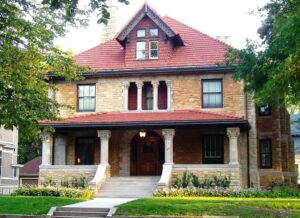
Hastings, Minnesota 55033

Faith Family Recovery Center

Detox Dual Diagnosis Outpatient

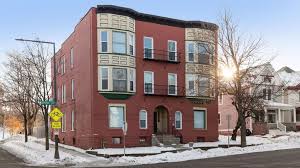
St. Paul, Minnesota 55117

The Heights

Detox Outpatient

Wayzata, Minnesota 55391

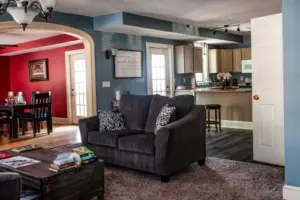
The Retreat

Aftercare Detox Dual Diagnosis Inpatient Outpatient Sober Living

Paying for Rehab in Minnesota

Finding the right way to cover the cost of treatment can make entering a Minnesota drug rehab feel far more manageable. Minnesota offers several options to help individuals and families pay for addiction treatment, including insurance plans, state-funded programs, financial assistance, and flexible payment solutions offered by many facilities. Understanding these resources can make it easier to begin recovery with confidence.

  • Private Health Insurance: Most private insurance plans cover some form of addiction treatment. Coverage may include detox, outpatient services, inpatient care, or medication-assisted treatment. Check with your insurance provider to understand your specific benefits and any in-network requirements.
  • Minnesota Medicaid (Medical Assistance): Minnesota’s Medicaid program provides coverage for a wide range of behavioral health services, including substance use disorder treatment. Eligibility is based on income, and many drug rehab centers in Minnesota accept Medical Assistance.
  • MinnesotaCare: For residents who don’t qualify for Medicaid but still meet income guidelines, MinnesotaCare (the state’s subsidized health plan) can help reduce the cost of treatment.
  • State-Funded Treatment Programs: Minnesota offers publicly funded addiction services for individuals who meet financial eligibility criteria. These programs can help cover assessments, detox, outpatient services, and residential care.
  • Sliding Scale Fees: Some drug rehab centers in Minnesota adjust their fees based on a person’s income, making treatment more accessible for those with limited financial resources.
  • Payment Plans: Many treatment centers allow clients to spread costs over monthly installments, reducing the upfront financial burden.
  • Employee Assistance Programs (EAPs): Some workplaces offer confidential addiction support through EAPs, which may include referrals, assessments, or partial coverage for treatment services.
  • Tribal Health Services (for eligible individuals): Members of federally recognized tribes may access additional funding or treatment options through the Indian Health Service (IHS) or tribal health programs.
    Loans or Medical Financing Companies: Specialized healthcare financing companies sometimes offer low-interest or flexible loans for addiction treatment.
  • Nonprofit or Faith-Based Assistance: Certain nonprofits in Minnesota may offer financial help, scholarships, or reduced-cost programs for individuals seeking drug rehab.

Minnesota’s Fight Against Substance Use Disorders

In 2024, Minnesota saw an average of three drug overdose deaths each day. From 2020 through 2022, admissions for opioid use disorder increased, driven largely by opioids other than heroin. Encouragingly, opioid-involved overdose deaths declined significantly in 2024—from 1,039 in 2022 and 1,011 in 2023 to 678 in 2024.

The Attorney General’s Office has worked to hold manufacturers, distributors, pharmacies, and consultants accountable for their role in fueling the opioid crisis, helping the state recover funds for prevention and treatment efforts.

Minnesota has also benefitted from federal support, including a two-year, $10.6 million State Targeted Response Grant awarded in 2017. These funds expanded access to treatment, strengthened harm-reduction initiatives, and supported new approaches to serving tribal communities and communities of color.

Addictions Treated in Minnesota State

Rehab centers in Minnesota provide treatment and support for a wide range of substance use disorders, including:

alcohol-addiction-icon
heroin-addiction-icon
cocaine-addiction-icon
prescription-addiction-icon
meth-addiction-icon

If you or a loved one is struggling with substance use, know that recovery is possible. With the right care and support, individuals can make lasting changes and build a healthier, more hopeful future.

Find Addiction Rehab Near You Today

Starting the journey to recovery may feel overwhelming, but you don’t have to do it alone. With professional help and the right resources, it’s possible to overcome addiction and move forward with confidence.

At DrugHelp.com, we’re here to connect you with trusted rehab centers throughout Washington that match your needs. Reach out today and take your first step toward healing, recovery, and long-term freedom.

Accessibility Toolbar

Scroll to Top