
Art Therapy for Addiction Treatment
Art therapy for addiction is an evidence-based, experiential form of therapy that uses creative expression (drawing, painting, sculpting, collage, or mixed media) to help individuals explore emotions, process trauma, and support recovery from substance use disorders.
Unlike traditional talk therapy, art therapy does not rely solely on verbal communication. Instead, it allows people to express thoughts and feelings visually, which can be especially helpful when emotions are difficult to articulate.
In addiction treatment, art therapy is typically facilitated by a trained and credentialed art therapist and integrated into a comprehensive treatment program. Art therapy is not about artistic talent or producing aesthetically pleasing artwork. Instead, the focus of this behavioral therapy approach is on the process of creating and reflecting on the artwork as a tool for healing, insight, and emotional regulation. Art-making in this context stimulates brain networks related to emotion regulation, memory, and reward, supporting addiction recovery by fostering neural connectivity and self-awareness.
By encouraging creativity and self-expression, art therapy can help individuals in recovery build self-awareness, increase motivation for change, and strengthen their ability to cope with cravings, stress, and emotional triggers. Art therapy is an evidence-based complementary therapy for addiction treatment, and it effectively reduces stress, addresses trauma, and helps clients identify relapse triggers as part of a holistic addiction recovery process. Engaging in art activates the brain’s reward system, helping to “rewire” the brain to experience pleasure without chemicals, which is crucial in addiction recovery.
Art therapy works by engaging both the mind and body in the creative process. When a person creates art, they activate areas of the brain associated with emotion, memory, and sensory processing, areas that are often impacted by addiction and trauma. This can make art therapy particularly effective for individuals who struggle to open up in traditional therapy settings.
In art therapy for addiction, art offers serve as symbolic projections of internal experiences, facilitating trauma processing, emotional regulation, and the activation of neural networks that support insight and cognitive functioning.
In a typical art therapy session for addiction treatment, the therapist may provide a prompt or theme, such as exploring emotions related to substance use, visualizing recovery goals, or expressing internal conflicts. In other cases, sessions may be more open-ended, allowing clients to create freely based on what feels most relevant in the moment.
After the creative process, the therapist guides reflection and discussion. Clients may be encouraged to describe their artwork, the emotions they experienced while creating it, and any insights that emerged.
This type of therapy involves the creation of art followed by a discussion of the feelings and meaning behind it. This reflective component helps individuals connect their art to their recovery journey and identify patterns, triggers, or unresolved issues related to addiction. Through self-monitoring, clients can recognize emotional patterns, triggers, and progress in their recovery, which is crucial for relapse prevention and ongoing mental health management.
Substance abuse and mental health are deeply interconnected, with many individuals facing both substance use disorders and co-occurring mental health challenges such as depression, anxiety, or trauma-related disorders. The Mental Health Services Administration (SAMHSA) recognizes art therapy as a valuable complementary therapy in addiction treatment, especially for those struggling with underlying trauma or emotional pain. Art therapists work closely with clients to create art that reflects their feelings, experiences, and struggles with addiction, providing a safe and supportive environment for healing.
Through art therapy, individuals can explore the emotional and psychological roots of their substance use, often revealing hidden aspects of their addiction that may not surface in traditional talk therapy. This creative process helps address trauma, build self-awareness, and foster emotional regulation, all of which are essential for long-term recovery. By integrating art therapy into addiction treatment, clients can process complex emotions, develop healthier coping strategies, and strengthen their overall mental health, supporting a more sustainable recovery journey.
Substance use disorders often co-occur with trauma, depression, anxiety, post-traumatic stress disorder (PTSD), and other mental health conditions. Many people struggling with addiction have learned to suppress or numb painful emotions through substance use. Art therapy helps individuals reconnect with those emotions in a safe, nonjudgmental environment. As a non-verbal approach, art therapy complements verbal therapy, especially for those who struggle to articulate emotions or access traumatic memories through words alone.

Common Art Therapy Techniques
Art therapy for addiction incorporates a wide range of techniques, with visual art serving as a core component to support emotional expression, self-exploration, and healing. The techniques used often depend on the individual’s needs, treatment goals, and stage of recovery.
- Drawing and painting
- Collage and mixed media
- Sculpture and clay work
- Mask making
- Visual journaling
- Group art projects
Creative activities in art therapy can lower cortisol levels, significantly reducing stress and anxiety. Additionally, art therapy fosters a sense of accomplishment, helping individuals rediscover a positive self-image and build a sober identity.
Who Can Benefit From Art Therapy for Addiction?
Art therapy can benefit a wide range of individuals struggling with substance use disorders, regardless of age, background, or level of artistic experience. It is particularly effective for people who have difficulty expressing emotions verbally or who feel overwhelmed by traditional talk therapy.
Art therapy for addiction can be beneficial for people who:
- Are in early recovery
- Have a history of trauma
- Have co-occurring mental health disorders
- Are experiencing relapse triggers
- Are adolescents or young adults
Advantages of Art Therapy
Art therapy offers several unique advantages when used as part of addiction treatment. While it is not a standalone cure for substance use disorders, it can play a valuable role in a comprehensive, individualized recovery plan.
This type of therapy:
- Supports trauma-informed care
- Encourages emotional expression
- Builds self-awareness and insight
- Enhances engagement in treatment
- Reduces stress and anxiety
- Strengthens coping skills
Art therapy also supports mindfulness and grounding. The act of focusing on colors, textures, and movements can calm the nervous system, reduce anxiety, and help individuals stay present. These skills are essential for managing cravings and preventing relapse.
Also, by engaging clients experientially, art therapy can lead to an increased sense of self-efficacy and improved emotional regulation.
Finally, art therapy is adaptable. It can be used in individual therapy, group settings, or family therapy, and it can be modified to suit different ages, cultures, and levels of cognitive or emotional functioning.
Getting Started with Art Therapy
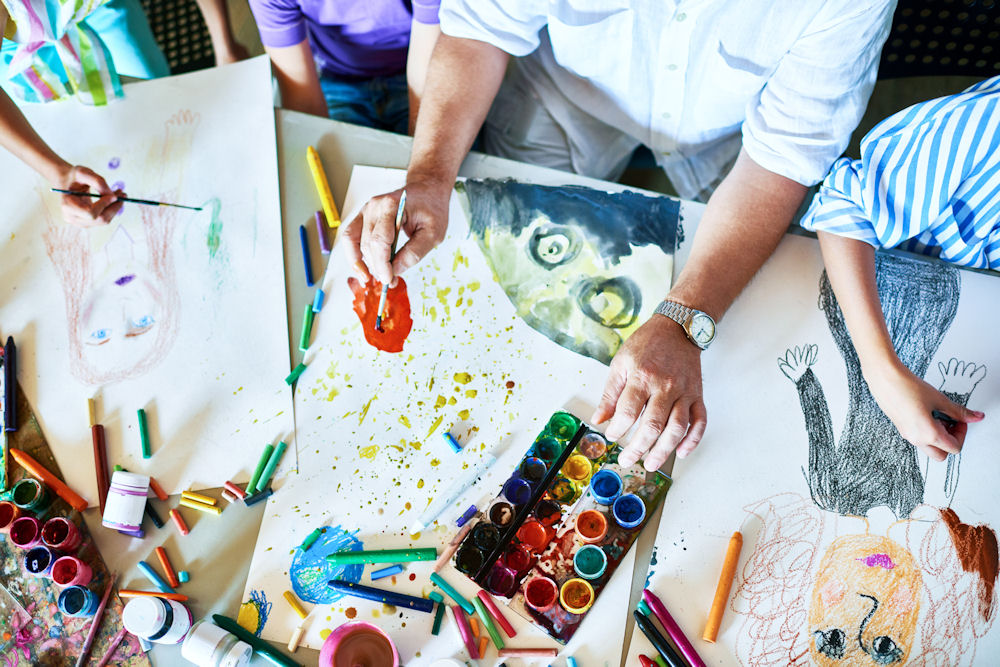
Beginning art therapy is simple and accessible, regardless of your previous experience with art. Clients are encouraged to experiment with a variety of art materials (such as paint, markers, clay, or collage supplies) to discover what feels most comfortable and expressive. Art therapists provide expert guidance and support throughout art therapy sessions, helping clients tap into their emotions and experiences in a safe, nonjudgmental space.
Art therapy can be tailored to individual preferences, with sessions offered one-on-one or in group settings as part of addiction treatment programs. By combining art therapy with traditional talk therapy, clients benefit from both creative expression and verbal processing, leading to deeper emotional regulation and stress reduction.
The creative process can reveal hidden aspects of addiction, promote self-discovery, and inspire positive change. Integrating art therapy into your recovery journey can help you build resilience, develop healthier coping skills, and move forward with a stronger sense of self and purpose.
If you or a loved one is struggling with addiction, help is available. Comprehensive treatment programs often include holistic therapies like art therapy to address the emotional, psychological, and behavioral aspects of substance use. Reaching out for support is the first step toward healing, stability, and lasting recovery. Contact our team at DrugHelp.com to learn more.
Get Help
FAQs About Addiction Treatment Programs
Have more questions?
Get help today
Drug and alcohol detox is the first vital step in addiction treatment where the body is cleared of harmful substances. This medically supervised process helps manage withdrawal symptoms safely and prepares individuals for further rehabilitation.
Medical detox for addiction involves supervision by healthcare professionals who monitor your health and provide medications to ease withdrawal symptoms. This controlled environment significantly reduces risks and improves the chances of successful recovery.
The duration of drug and alcohol detox varies depending on the substance, the severity of addiction, and individual health factors. Typically, detox can last from 3 to 10 days, but some cases may require longer monitoring.
While not all addictions require medical detox, it is highly recommended for alcohol, opioids, benzodiazepines, and other substances with potentially dangerous withdrawal symptoms. Medical detox ensures safety and comfort during the withdrawal phase.
Withdrawal symptoms can vary but often include:
- Anxiety
- Sweating
- Nausea
- Shaking
- Insomnia
In medical detox, these symptoms are managed to reduce discomfort and prevent complications.
Detoxing at home without medical supervision can be dangerous, especially for substances like alcohol and opioids that have severe withdrawal risks. Medical detox centers provide the safest environment for detox with 24/7 care.
After detox, patients typically enter a rehabilitation program that includes therapy, counseling, and support groups. Detox only addresses physical dependence; ongoing treatment is crucial for long-term recovery.
If you experience severe withdrawal symptoms, have a history of heavy substance use, or a co-occurring medical condition, medical detox is recommended. A healthcare professional can assess your situation and guide you.
Yes. Medications such as methadone, buprenorphine, or benzodiazepines may be used during medical detox to alleviate withdrawal symptoms and reduce cravings under professional supervision.
Many insurance plans cover medically supervised detox as part of addiction treatment. It’s important to check your insurance policy or speak with the treatment center to understand your coverage options.